
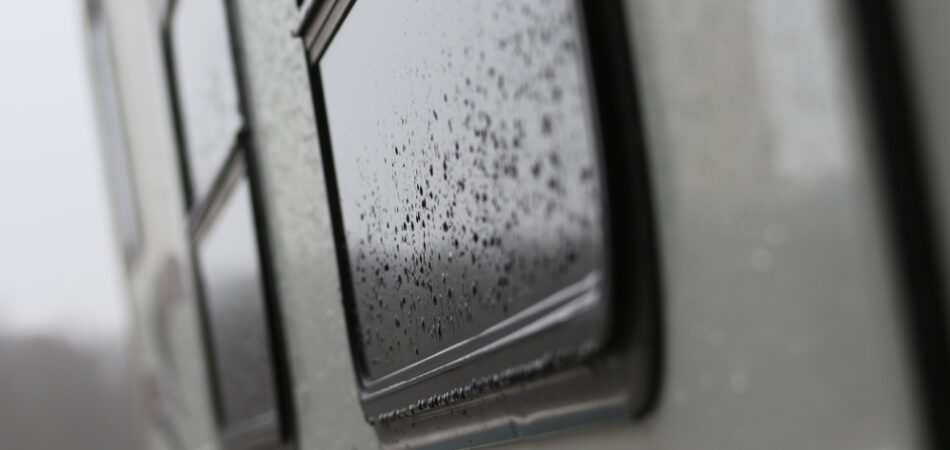
Replacing RV glass isn’t as simple as swapping out a piece of residential or auto glass. RVs are built with a mix of glass types, unique window shapes, and structural considerations that make repair or replacement a specialized task. Whether you’re dealing with a shattered windshield, fogged RV windows, or a leaky seal, understanding the materials and techniques involved can save you time, money, and frustration. Here’s what you need to know when it’s time to replace your RV glass.
The Different Types of RV Glass
RVs utilize a variety of glass types depending on the location and function of the window. For instance, the windshield is typically made from laminated glass. This material consists of two sheets of glass bonded with a plastic interlayer that holds together even when shattered. It’s crucial for safety, as it prevents shards from flying inside during a collision and adds structural integrity to the vehicle’s front end.
On the other hand, most side and rear windows are made from tempered glass. Tempered glass is heat-treated to increase strength, and when broken, it shatters into small, blunt pieces instead of dangerous shards. This makes it safer in emergencies and more resistant to blunt impacts. However, unlike laminated glass, tempered cannot be repaired once damaged and must be replaced entirely.
There’s also a rise in unique styles such as porthole windows, which are smaller and round or oval-shaped. These often require custom cut replacements, since they’re not standard shapes or sizes. Understanding which type of glass your RV uses in each location is the first step toward a successful replacement.
Windshield Replacement: Bigger and More Complex
RV windshield replacement is not the same as replacing a car windshield. The sheer size of most RV windshields poses a logistical challenge. Some are one-piece, others two-piece, and both styles often require a custom cut due to the specific curvature and size of the RV’s design. Because these windshields are made of laminated glass, you may sometimes be able to repair small chips or cracks, especially if they haven’t resulted in delamination. However, extensive pitting, spider cracks, or large breaks usually require full replacement.
Moreover, due to the custom nature of RV windshield replacement, parts often need to be ordered directly from the manufacturer or a specialty supplier. This can take time, and installation should be handled by professionals familiar with RV body structures. Incorrect installation can lead to leaks, frame warping, or compromised structural support.
Delamination is another windshield-specific problem that’s important to catch early. It occurs when the layers of laminated glass begin to separate, often due to prolonged exposure to moisture or heat. This can cause cloudiness, distortion, or even bubbling between the layers, making visibility difficult and compromising safety.
Window Seals and the Problem of Fogged Windows
If you’ve ever noticed a milky haze or condensation trapped between the panes of your RV’s windows, you’re not alone. Fogged RV windows are one of the most common issues for RV owners. This condition is caused by a broken or failing seal in double-pane windows, allowing moisture to seep in. It’s more than just an annoyance; it can lead to mold growth, reduced visibility, and insulation loss.
This is where rv window seal repair becomes essential. If caught early, a skilled technician may be able to reseal the window without replacing the entire unit. However, if the glass has become extensively fogged or the seals have completely failed, you may need a replacement. In such cases, finding a shop that can provide custom cut glass and proper sealing techniques is key to restoring clarity and function.
Don’t overlook the importance of well-maintained seals, either. They not only prevent fogging but also help with energy efficiency by keeping cold air out and warm air in, or vice versa. Regular inspections can help you spot early signs of wear, such as cracking or shrinking of the rubber seals.
When Damage Strikes: Emergency Glass Services
Accidents happen, and glass damage doesn’t always occur at convenient times. Whether you’re parked at a campground or in the middle of a road trip, a sudden crack, chip, or complete shatter can disrupt your travel plans. This is where emergency RV glass service becomes vital.
Emergency services are typically mobile, meaning technicians can come to your location and either repair or temporarily secure the damaged area. For instance, a chip or crack in a laminated windshield might be fixable on the spot, provided there’s no delamination or structural issue. However, larger cracks, shattered tempered glass, or massive pitting may necessitate a full replacement.
Many of these services carry a limited stock of standard glass types, but given that RVs often require custom cut replacements, a follow-up appointment might be needed. Still, emergency services offer a critical safety and security bridge until permanent solutions can be arranged.
You should always have contact information for a trusted RV glass provider when traveling, especially if you’re going off the beaten path. Waiting too long to address damage can lead to water intrusion, mold, or compromised security.
The Role of Customization in RV Glass Replacement
Unlike passenger cars, RVs are anything but standardized. Manufacturers often design their own unique window shapes and sizes, making off-the-shelf replacements hard to come by. Whether it’s a panoramic windshield, a set of porthole windows, or uniquely curved side panels, you’ll almost always need a custom cut.
The custom cut process involves precise measurements of the existing opening, selecting the appropriate type of glass (laminated or tempered), and shaping it to match. This is particularly important when replacing fogged RV windows, where matching the dimensions of the double-pane unit is crucial for both aesthetics and performance.
Another factor to consider is tinting. Many RV windows come with factory-applied tints to reduce glare and block UV rays. When replacing a window, especially via custom cut, be sure to match the tint or apply a similar film to maintain consistency and comfort.
Even hardware and mounting mechanisms can vary greatly. Some RV windows slide horizontally, others tilt out, and still others are fixed in place. All these variables impact the replacement process, requiring both the right materials and experienced installation techniques.
Conclusion
Replacing your RV glass involves far more than just swapping out broken glass. From understanding the type of material (laminated glass for the windshield, tempered glass for the sides) to recognizing issues like fogged RV windows and delamination, there are multiple factors to consider. Proper rv window seal repair can extend the life of your windows and prevent more costly damage, while emergency RV glass service can keep you safe and mobile when the unexpected strikes.
Customization plays a major role in every replacement job, as most RVs require custom cut glass tailored to their unique build. Whether you’re dealing with standard damage like pitting, chips, and cracks, or more complex issues involving porthole windows and window seals, always work with specialists who understand the demands of RV construction.
By being informed and proactive, you can keep your RV looking great, performing safely, and ready for the road ahead.
Need Quality Auto Services in Walnut Creek, CA?
Here at Genesis Auto Glass, Sunroof, & Upholstery, we’ve been your trusted local experts since 1998, proudly serving the community with top-notch auto glass, mirror repair, sunroof installation, window tinting, and upholstery services. Whether it’s for your car, boat, or RV, our skilled team is ready to make your vehicle look and feel like new. Reach out to us today for personalized, reliable service you can count on!