
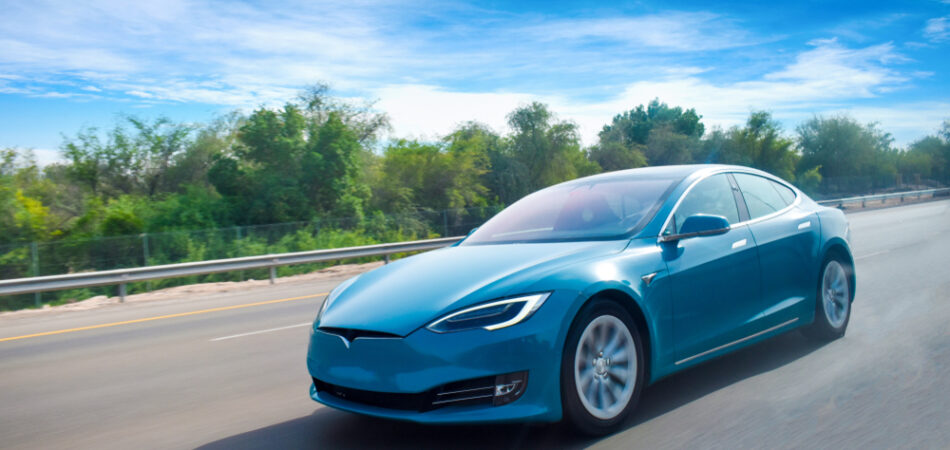
Winter presents unique challenges for every vehicle, but Teslas, with their advanced electric systems and precision engineering, require particular care during the coldest months. While Teslas are designed for all-weather driving, neglecting winter-specific servicing can impact performance, comfort, and long-term durability. Owners who are proactive with maintenance can enjoy smooth, safe winter driving while avoiding unexpected issues like frozen components or reduced range.
This article outlines essential do’s and don’ts for Tesla servicing during winter, with an emphasis on key areas like brake caliper service, winter tire swap, battery preconditioning, and more. Understanding these areas helps you preserve your Tesla’s performance and protect its systems from the harsh effects of cold weather, road salt, and moisture.
Do Schedule Brake Caliper Service, Don’t Ignore Salt Buildup
One of the most overlooked yet crucial maintenance steps for Teslas in winter is brake caliper service. Unlike gasoline vehicles, Teslas rely heavily on regenerative braking, meaning the traditional brakes don’t get used as frequently. This becomes an issue in winter when salt and slush coat your wheels and calipers. Without regular cleaning and lubricating, brake calipers are prone to freezing or corrosion, especially in areas that apply large amounts of road salt.
Tesla recommends caliper lubrication annually or every 12,500 miles in snowy regions. Make sure a certified technician properly removes the caliper pins, cleans the components, and applies high-quality lubricant to prevent seizing. Skipping this service can lead to uneven braking, excessive wear, or complete caliper failure during extreme cold snaps.
Avoid relying solely on regenerative braking in snowy conditions. Occasionally using the brake pedal helps keep the calipers moving and free of buildup.
Do Get a Winter Tire Swap, Don’t Rely on All-Seasons
All-season tires may perform adequately in mild conditions, but they are no match for icy, slushy, or snow-packed roads. A winter tire swap is essential for Teslas in regions where temperatures routinely drop below 45°F. Winter tires have specialized rubber compounds that remain flexible in the cold, offering superior traction, better cornering, and shorter braking distances.
For vehicles like the Model 3, Model S, and Model Y, Tesla provides recommended winter tire sets with foam inserts that help reduce road noise. Scheduling your winter tire swap early ensures you beat the seasonal rush and avoid dangerous driving conditions. Neglecting this change can result in loss of control on icy roads and significantly increase stopping distances.
Remember, proper winter tires not only improve safety but also enhance your car’s ability to manage torque and regenerative braking, both critical to the electric driving experience.
Do Use Battery Preconditioning, Don’t Drive Immediately After Plugging In
Cold weather is notorious for reducing the performance and range of lithium-ion batteries. That’s why battery preconditioning is a feature every Tesla owner should understand and use. When your Tesla is plugged in, preconditioning warms up the battery to optimal temperatures for charging and driving, reducing energy consumption and preserving range.
Enable preconditioning via the Tesla app, especially before your morning commute. Ideally, your Tesla should finish charging just before you depart, so the battery is warm and efficient. You can also set scheduled departure times to automate this process.
What you should avoid is driving immediately after plugging in or leaving the car unused with a cold battery. This puts unnecessary stress on the battery pack and may lead to sluggish performance, poor regenerative braking, or even charging delays.
Do Replace the Cabin Filter, Don’t Let It Clog
Tesla’s HVAC system is essential for more than just comfort. In winter, a clean cabin filter ensures strong airflow for heating and effective windshield defrosting. Tesla recommends cabin filter replacement every 2 years for the Model 3 and Y, and every 3 years for the Model S and X, but in winter climates, more frequent replacement may be necessary.
A clogged filter can reduce defrosting efficiency, leading to foggy or icy windshields, which compromise visibility. It can also reduce interior air quality as filters struggle to remove particulates from salt and road grime tracked into the car.
Avoid running your HVAC at full blast to compensate for a weak airflow, as this strains the blower motor. A clean cabin filter supports both comfort and function during freezing temperatures.
Do Monitor Tire Pressure, Don’t Ignore TPMS Alerts
Tire pressure is especially volatile in cold weather. For every 10°F drop in temperature, tire pressure can decrease by 1 to 2 PSI. If you fail to monitor this, you risk uneven tire wear, poor handling, and decreased efficiency. Tesla’s tire pressure monitoring (TPMS) system is designed to alert you when pressure falls below optimal levels, but proactive checks are still necessary.
Check your tire pressure weekly during deep winter months and adjust as needed. Be sure to use a reliable gauge and inflate tires when they are cold for accurate readings. Tesla recommends specific PSI settings based on the model and tire type; these can be found on the driver’s side door jamb.
Don’t dismiss TPMS warnings or assume the pressure will stabilize on its own. Underinflated tires can overheat, degrade performance, and reduce range.
Do Keep the Charge Port De-Iced, Don’t Force It Open
One frustrating winter issue Tesla owners face is a frozen charge port. Moisture can seep in and freeze the latch or cause the cover to stick. That’s why Tesla introduced charge port de-icing functionality, which uses internal heaters to thaw the latch and surrounding components.
To avoid damage, never force the charge port open if it’s frozen. Instead, use the in-app de-icing feature or warm the area gently using your climate control system. Ensuring that your charge port heater is functioning properly should be part of your winter inspection checklist.
Neglecting this can not only delay your charging routine but also result in costly damage to the port or hinge mechanism. Always park in a garage when possible and keep the port area clean of snow and ice.
Do Replace Wiper Blades, Don’t Wait for Visibility Issues
Winter visibility is critical, and that means your wiper blades need to be in peak condition. Wiper blade service, including replacing them with winter-ready models, ensures you can clear slush, salt spray, and snow effectively. Tesla wiper blades are specifically designed to contour to the windshield and provide quiet, streak-free operation, but they do wear down over time.
Before winter begins, inspect the blades for cracks or stiffness. Replace them if they fail to clean thoroughly or skip across the glass. Also, test your defroster and windshield heating elements to ensure they can prevent ice buildup.
Avoid using wipers to remove heavy snow or ice, as this can strip the rubber or damage the wiper motor. Always manually clear thick ice from the windshield before engaging the wipers.
Do Treat Silicone Seals, Don’t Let Doors Freeze Shut
Cold weather can cause door handles and seals to freeze, particularly on Tesla’s flush handle designs. Applying silicone seal treatment to the door, trunk, and window seals prevents moisture from bonding and freezing the rubber against metal surfaces.
Use a high-quality, Tesla-approved silicone lubricant and apply it regularly throughout the winter. Pay particular attention to Model 3 and Y handles, which are more prone to freezing. When seals freeze, forcing them open can tear the rubber or damage the electronics embedded in the handles.
Don’t assume your car will stay functional just because it’s parked indoors once in a while. A quick treatment every few weeks goes a long way toward maintaining door integrity and usability in freezing rain or snowstorms.
Conclusion
Servicing your Tesla in the wintertime involves more than just brushing off snow. It requires a dedicated approach to maintaining key systems affected by cold temperatures, road salt, and icy conditions. From brake caliper service to cabin filter replacement, each preventive step contributes to a safer, more reliable winter driving experience.
By prioritizing services like battery preconditioning, winter tire swap, tire pressure monitoring (TPMS), charge port de-icing, wiper blade service, and silicone seal treatment, Tesla owners can minimize winter-related issues and keep their vehicles operating at peak performance. Don’t let winter weather catch you off guard. A well-maintained Tesla is more than capable of handling the cold, provided it receives the attention it deserves.
Need Quality Auto Services in Walnut Creek, CA?
Here at Genesis Auto Glass, Sunroof, & Upholstery, we’ve been your trusted local experts since 1998, proudly serving the community with top-notch auto glass, mirror repair, sunroof installation, window tinting, and upholstery services. Whether it’s for your car, boat, or RV, our skilled team is ready to make your vehicle look and feel like new. Reach out to us today for personalized, reliable service you can count on!