
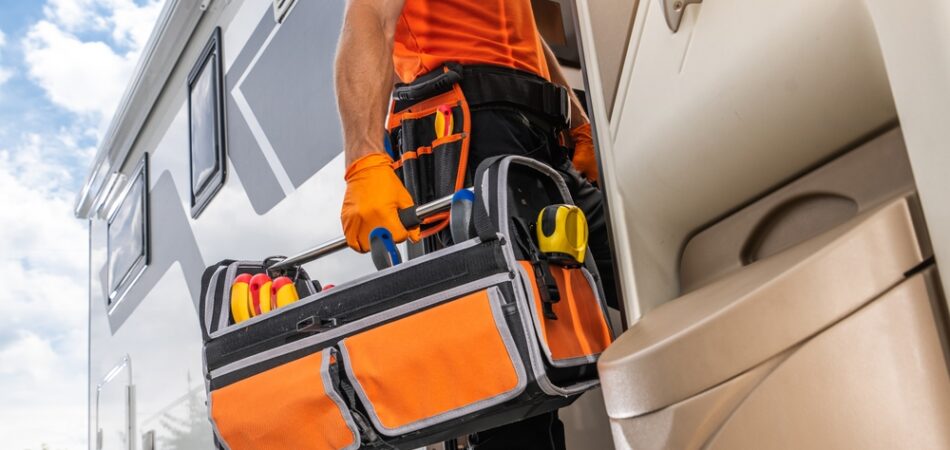
As the calendar flips to 2026, RV owners across the country are planning their first adventures of the year. Whether you’re heading south to chase the sun or venturing into snow-capped landscapes, the best way to kick off the new year is with a safe, smooth journey. However, a successful RV trip starts long before you pull out of the driveway. After months of storage or infrequent use, your motorhome or trailer needs more than a quick dust-off. Vital systems need to be checked, refreshed, and in some cases, repaired.
Neglecting certain maintenance tasks before a trip can result in frustrating breakdowns or even dangerous situations. From seal integrity to smart tech upgrades, these are the essential RV repairs and inspections to complete before your New Year’s getaway.
The 360° Seal Audit
One of the most overlooked causes of RV water damage is failed exterior seals. In 2026, RV experts are doubling down on the importance of the 360° Seal Audit, a comprehensive visual and physical inspection of every seam, joint, and opening on your rig’s exterior.
Before hitting the road, get on your hands and knees and run your fingers along roof edges, window frames, storage compartments, and especially around rooftop accessories like vents, AC units, and skylights. You’re feeling for gaps, hardened sealant, or cracks, even hairline ones. These are early signs of sealant shrinkage, a common issue due to seasonal temperature changes.
Ignoring these signs may lead to catastrophic delamination by mid-summer. This condition involves water entering the RV walls, causing plywood layers to separate and rot. Fixing it can cost thousands. Prevention, on the other hand, is inexpensive and straightforward. Do not use generic hardware store caulks. Instead, use a high-quality lap sealant designed specifically for RVs. These products remain flexible, UV-resistant, and bond well to fiberglass and aluminum surfaces.
Your seal audit should also include the roof membrane. Look for bubbling, cracking, or discoloration. A neglected seam can result in interior ceiling stains, mold, and long-term frame damage. The 360° Seal Audit should be your top priority before any trip, especially as you prepare for the often unpredictable weather of January.
Freshwater Sanitization & De-winterizing
If your RV has been in winter storage, the freshwater system needs a thorough cleaning before you take it on the road. Most RV owners use pink non-toxic antifreeze to protect plumbing from freezing, but this residue must be flushed out completely before use.
Begin by draining the antifreeze from all lines and tanks. Then, mix a sanitizing solution using household bleach (roughly 1/4 cup per 15 gallons of tank capacity). Fill your freshwater tank with this solution, run it through all taps and fixtures, and let it sit for several hours before flushing with clean water until the bleach smell dissipates.
In 2026, many campgrounds have upgraded their water systems, resulting in stronger water pressure at hookups. While this is good news for showers, it can also pose a threat to older RV plumbing systems. That’s why it’s essential to inspect and test your water pressure regulator. If yours is over five years old or shows signs of corrosion, replace it. A faulty regulator can allow unsafe pressure into your water lines, causing leaks or even line ruptures while you’re hundreds of miles from the nearest repair facility.
This simple maintenance step not only ensures clean, safe drinking water but also protects your plumbing and appliances. Proper de-winterization is the cornerstone of a trouble-free start to your travel year.
LiFePO4 Battery Health Check
2026 marks a turning point in RV energy systems, with more owners than ever making the switch to Lithium Iron Phosphate (LiFePO4) batteries. These advanced batteries offer longer life, faster charging, and deeper discharge capacity. However, they require regular firmware updates and smart monitoring to function at peak efficiency.
Before your first trip, connect to your battery monitor’s app and check for any pending updates. Manufacturers frequently release firmware improvements that optimize charging algorithms and improve Bluetooth connectivity. If your RV is still running on lead-acid batteries, inspect the terminals for corrosion and ensure the electrolyte levels are sufficient. Use only distilled water when topping off.
Whether lithium or lead-acid, all battery types should be fully charged before departure. Voltage should be measured at rest, not while charging or under load. A dead battery is the number one reason RVers cancel their first trip of the year. Don’t let a simple oversight derail your plans.
Also check for signs of rodent damage to battery wiring, especially if the RV was in outdoor storage. Squirrels and mice can chew through critical connections, resulting in intermittent power issues that are difficult to diagnose on the road.
DOT Tire Date-Code Verification
Your RV tires might look great, but appearances can be deceiving. Tires degrade not just from use but from age and UV exposure, even when parked. That’s why it’s critical to inspect the DOT date code stamped on the sidewall of each tire. This four-digit code represents the week and year of manufacture. For example, a code of 1024 means the tire was made in the 10th week of 2024.
Most insurance carriers now recommend replacing RV tires every 5 to 6 years, regardless of tread depth. In fact, dry rot, sidewall cracking, and internal delamination are more common causes of blowouts than worn tread. A high-speed blowout on a Class A motorhome or trailer can cause significant damage and poses a serious safety risk.
Before your trip, verify that all tires, including the spare, are within the acceptable age range. If you’re running close to the limit, schedule replacements before your journey. Don’t forget to inspect the valve stems for dry cracking, and ensure your tire pressure matches the manufacturer’s load chart.
2026 trends also show more RVers adopting tire pressure monitoring systems (TPMS). These systems provide real-time alerts to your smartphone or in-cab display, helping you avoid catastrophic failures by identifying slow leaks or overheating before they become dangerous.
Slide-Out & Seal Conditioning
Your slide-outs provide precious square footage, but they also present mechanical and sealing challenges. The last place you want to discover a jammed slide is at your first campsite in the snow or rain. Before leaving home, extend and retract each slide twice. Listen for unusual noises, watch for alignment issues, and ensure that the mechanism operates smoothly from start to finish.
Next, inspect the rubber seals for cracking or stiffness. These seals are critical in keeping water and pests out of your RV’s interior. In 2026, UV-related seal damage is one of the leading causes of water intrusion around slide-outs. Apply a UV-protectant rubber conditioner to all seals. This keeps them supple and prevents them from bonding to the RV body when retracted.
For the slide tracks and gears, use a dry lubricant. Avoid greasy products that can attract dust and dirt. Some RVers also install slide toppers to reduce debris buildup and UV exposure. If yours already has toppers, ensure the fabric is intact and the tensioning arms are working properly.
Taking care of your slide-outs before departure is not just a luxury. It’s a necessity that can save you from costly repairs and uncomfortable delays.
Conclusion
The excitement of a New Year RV trip should be filled with scenic drives, cozy campfires, and stress-free relaxation, not mechanical failures and last-minute repairs. In 2026, the bar has been raised on RV readiness, with new technologies and standards shaping how responsible RVers prepare for the road.
From the critical 360° Seal Audit to the adoption of smart leak detectors and Lithium batteries, this pre-trip checklist represents the modern RV lifestyle. It’s no longer enough to just check tire pressure and dump the tanks. Today’s RVers are digital-savvy, safety-conscious, and proactive.
Each task on this list plays a role in preserving the integrity of your rig and ensuring a safe, enjoyable experience. A few hours spent on repairs and maintenance can prevent days or weeks of frustration down the line. Don’t let preventable issues ruin your first trip of the year. Take the time now to inspect, repair, and upgrade, and roll into 2026 with confidence, comfort, and peace of mind.
Need Quality Auto Services in Walnut Creek, CA?
Here at Genesis Auto Glass, Sunroof, & Upholstery, we’ve been your trusted local experts since 1998, proudly serving the community with top-notch auto glass, mirror repair, sunroof installation, window tinting, and upholstery services. Whether it’s for your car, boat, or RV, our skilled team is ready to make your vehicle look and feel like new. Reach out to us today for personalized, reliable service you can count on!